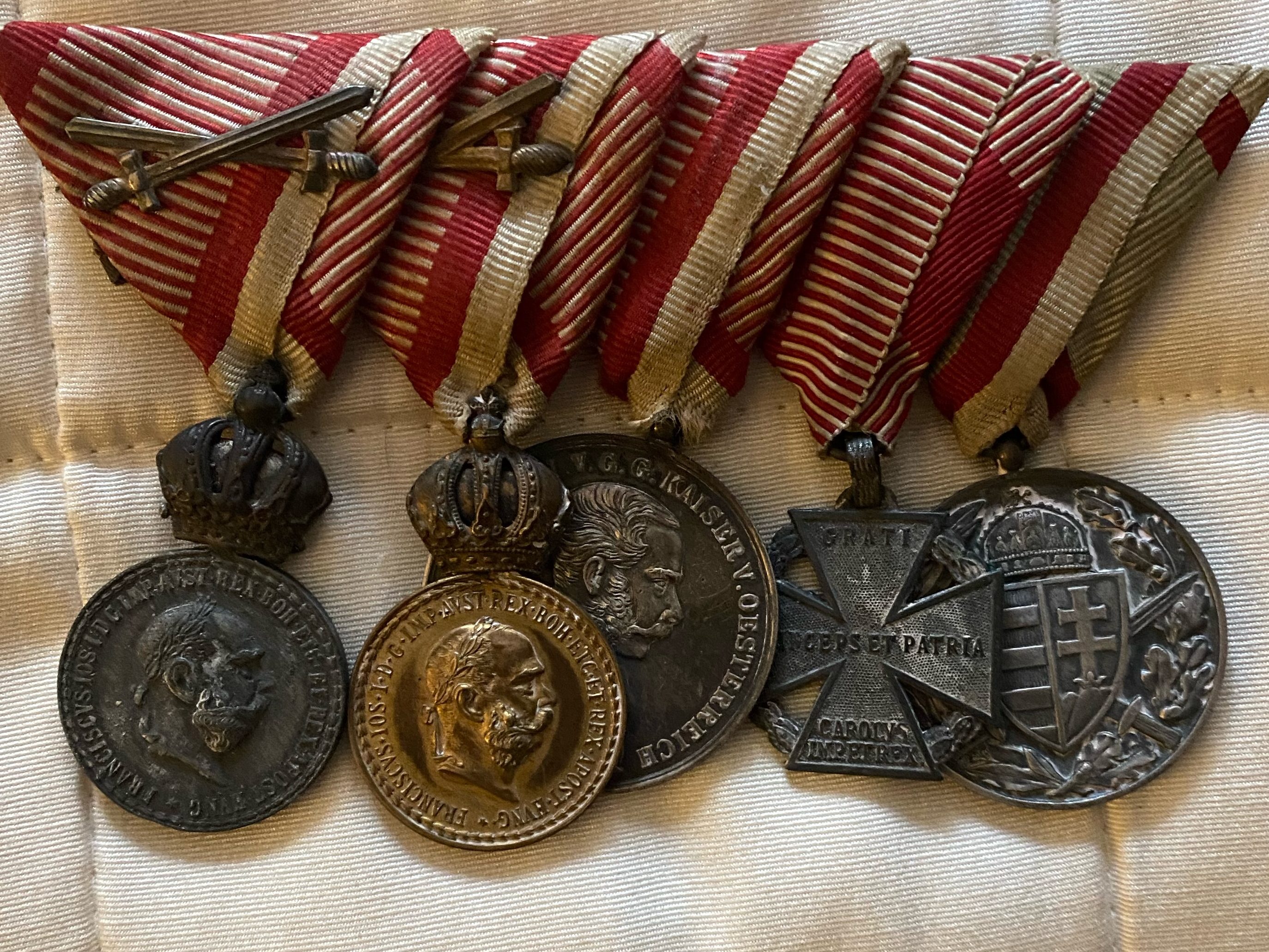
My Hungarian grandfather or nagypapa was a bread head. He loved carbs and would, as the family saying went, eat bread with bread. No meal was complete without bread to mop sauces, dip in soups, or even form the main meal spread with dripping and paprika, and topped with sliced onion. It’s a love I have inherited. I adore bread in all its forms and regularly have to discipline myself over the quantity I “could” eat. I didn’t get to meet my nagypapa, he passed before I arrived into this world but his presence still loomed large in my life. My own father was somewhat in awe of him, and would tell tales of his fierce temper and stubborn will. I’m still piecing together who he was from a ragtag of memories and oddments of family mementoes but I recall being told that he was raised near the Italian border (we’re talking late 19th C so there was still a border between Italy and Greater Hungary as it was then known via the Southern Tyrol) and was sent to school in Italy. He spoke Italian, loved pasta (carbs) and would wear a huge white napkin tucked into his shirt collar when eating. I have also inherited the Antal embonpoint of having a tummy that provides a handy shelf for dropped food and so I also emulate his napkin wearing. I’m digging through the family archives to find a photo of Aladár to show you, but in the meantime, we have his World War I medals on display – I asked twitter to help me identify them earlier and was told that L to R they are as follows:
Military Merit, Silver; Military Merit, Bronze; Silver Medal for Bravery 1st Class; Karl Troop Cross for having been in a combat unit for at least 12 weeks and seen action at least once; the Hungarian commemoration medal for services in World War I. Thank you to Nicolai Eberholst (@PikeGrey1418 on twitter) for identifying.
Anyway, back to the bread. Hungarians love bread. There’s a great proverb “it’s better to have dry bread in peacetime than fresh meat in war time” which seems apposite given my nagypapa’s life experiences. As ever with Hungarian cuisine, there are influences from all over the place. A typical Hungarian breakfast often includes a kifli – a crescent shaped roll that looks like a croissant but is in fact a yeasted bread roll, from which the croissant “may” have developed. Often said to commemorate the freeing of Hungary from Turkish occupation, they are more likely to have evolved from monastic baking for Easter. Kalacs is another breakfast bread, this time a sweet one, flavoured with cocoa or cinnamon or poppyseed and walnut. There are versions of this brioche-y bread all over Central and Eastern Europe, and it owes a definite nod to the Jewish challah. My sisters and I adored the chocolate swirled kalacs, and we would have it daily for breakfast on holiday at the Balaton, slathered in fresh apricot jam and sweet unsalted butter. I’ll have a go at this soon.
Today’s recipe is all about the carbs tho, with a recipe for a potato caraway bread. I was flicking through my Hungarian cookbooks, trying to find a recipe for a steamed bread that I remember vividly eating in Mohács when visiting my father’s friend. He was a country doctor and the women of the village would take it in turns to bring food to his home, much to the displeasure of his wife. Uncle Biró (as we called him) had more than a look about him of a young Steve McQueen, so it may have been his blond good looks rather than his healing skills that brought all the girls to the yard… Back to the steamed bread – it was made by a woman in his village and used sour cream in the mixture. Eating it was like eating a cloud – it was so fluffy and light. I haven’t yet found the recipe but it stays with me, 40 years on so I must keep searching.
In the definitive George Lang The Cuisine of Hungary I came across a recipe for the potato caraway bread (I believe the Finns also do something similar) and thought, hmm, like the sound of that. Back in the day, recipes weren’t tested quite as stringently as some now are, although I know some cookbooks fall short today too, so my first attempt at this recipe, following it diligently, didn’t work. I knew it wouldn’t as I made it, it didn’t feel right and as I discovered, this bread dough is a beautiful blousy, voluptuous girl, overspilling her boundaries in her eagerness to rise and bake to perfect fluffiness. I’ve therefore tweaked his recipe with a few changes around flour quantities and caraway. It is also quite salty, so if you aren’t a fan of too much salt, reduce it from 1.5 tbsp to 1. A final word of advice, if you’ve ever made focaccia, you’ll understand just how wet and squidgy this dough is. If you haven’t, don’t panic, it’s supposed to be this loose. Don’t be tempted to add more flour, it needs the moisture to create the fluffy interior.
Potato Bread with Caraway or Kenyér, köménymagos krumplis
3 medium sized potatoes, boiled in skins, then peeled and mashed
7g sachet of dried yeast
360g strong plain bread flour
1.5 tbsp sea salt (reduce by .5 if you don’t like too salty bread)
1 tbsp caraway (I doubled the original recipe because I love caraway)
Put yeast in a large bowl and add 120 ml of warm water, and mix well with 3 tbsp of the flour. Let it sit for 30 minutes. Add 475 ml warm water, the salt and caraway seeds to the starter. Mix well then add in the remaining flour and the mashed potatoes. Knead the mixture until the dough begins to separate from the bowl and your hands. It will take about 10 to 15 minutes. It is very wet and sticky, do not despair! Set aside, covered, in a warm place until it doubles in size. This will take between 1 to 2 hours.
Preheat the oven to 200C or GM6 and put in a baking sheet to heat through. Sprinkle some flour on the dough and your hands and tip it out to gently shape and rework into a loaf shape – it will feel pillowy and soft so be gentle. I used a large cake tin (20cm) lined with baking parchment to put my loaf in. Otherwise you need a 2lb loaf tin – the dough needs some rigidity round it or it will just spread madly and you’ll have a delicious but flat pancake. Set aside to rise again for another half hour. Brush with water and slash the top, then place the tin on the heated baking tray and bake for at least 45 minutes. At the 45 minute mark, tip out the loaf and replace upside down in the oven to crisp the base for another 10 or so minutes. You will know the bread is “done” when you tap her and she sounds hollow.
Leave to cool before slicing and slathering with butter. This loaf keeps fresh and fluffy for at least 3 days.


 Finom - the food of Hungary
Reblogged this on "Best Little Farm in Valrico".
LikeLike
Thank you!
LikeLike